
STEM CELL THERAPY CENTER

Stem Cell Therapy Center

A regenerative medicine–based supportive treatment option.
After a thorough evaluation, we develop an individualized treatment plan tailored to each patient.

  • Regenerative Medicine
  • Stem Cell Therapy
  • Quality Control
  • One-stop Treatment Process
About Center

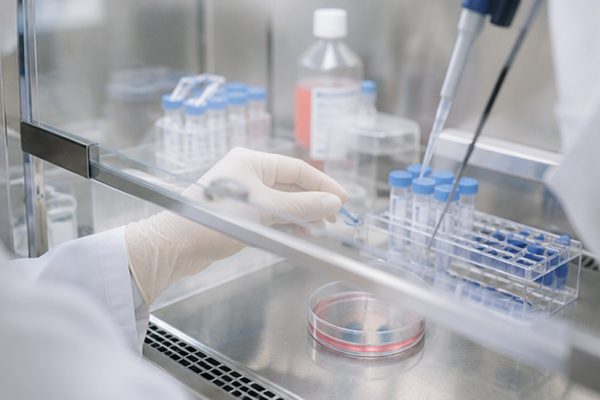
Busan's Only In-House Stem Cell Lab
Regenerative Therapy with Cultured Stem Cells

We carefully offer stem cell therapy as a complementary treatment option,
using adult stem cells cultured in-house to support tissue regeneration and immune regulation.

Guardian FAQ

Questions Over Worries
What Pet Owners Want to Know

What is stem cell (MSC) therapy?
Stem cell therapy using mesenchymal stem cells, or MSCs, is a form of regenerative medicine that helps damaged tissues recover and regulates excessive inflammation, creating an environment in which the body can better heal itself.

Rather than simply providing temporary pain relief, it aims to promote tissue repair, control inflammation, slow the progression of disease, and improve quality of life.

As research and clinical experience continue to grow in both human and veterinary medicine, MSC therapy is being used in a range of conditions, including joint disease, spinal disorders, chronic kidney disease, and immune-mediated diseases.
What conditions may benefit from stem cell (MSC) therapy?
Stem cell therapy may help with a variety of conditions that require tissue repair or the management of chronic inflammation.

It may be considered for orthopedic conditions such as arthritis, cruciate ligament injuries, and spinal disorders, as well as chronic kidney disease, persistent inflammatory conditions, and immune-mediated diseases.

However, it is not suitable for every condition or every patient. The type and stage of the disease, age, and overall health must be carefully evaluated before determining whether stem cell therapy is an appropriate treatment option.
Can stem cell (MSC) therapy cure the disease on its own?
Stem cell therapy is not a cure for every disease.

For progressive conditions such as arthritis, chronic kidney disease, and degenerative disorders, the main goals are to regulate inflammation, support tissue repair, and slow the progression of the disease.

Better outcomes may also be expected when stem cell therapy is combined with medication, rehabilitation, weight management, and nutritional care.

Rather than a cure, stem cell therapy should be understood as a regenerative treatment intended to help pets maintain their health for longer and improve their overall quality of life.
Can senior dogs and cats receive stem cell (MSC) therapy?
Yes. In fact, stem cell therapy is often considered for senior dogs and cats.

Chronic conditions such as arthritis, spinal disorders, and chronic kidney disease become more common with age. Stem cell therapy may help support reduced healing ability, regulate chronic inflammation, relieve discomfort, and improve mobility.

Age alone does not prevent a pet from receiving treatment. However, it is important to evaluate overall health, including heart, kidney, and liver function, before developing the safest and most appropriate treatment plan.
When is the best time to begin stem cell (MSC) therapy?
Stem cell therapy may be more effective when started during the early stages of a condition, rather than after the disease has progressed significantly.

In chronic and degenerative conditions such as arthritis and chronic kidney disease, healthy tissue and the body's ability to recover may gradually decline over time. Beginning treatment before severe damage occurs may help preserve remaining function and slow the progression of the disease.

If your pet begins showing signs of discomfort or an abnormality is detected at an early stage, we recommend consulting with our medical team after an accurate diagnosis to determine whether it is the right time to consider stem cell therapy.
How are stem cells prepared at 24H UN Animal Medical Center?
24H UN Animal Medical Center operates Busan's first and currently only in-house Cell Culture Lab, where our medical team directly cultures stem cells and performs strict quality control.

An important part of stem cell therapy is not simply using stem cells, but ensuring that healthy, highly active cells are cultured under stable conditions. Cell viability, activity, and proliferation capacity may affect treatment outcomes, making culture techniques and quality control essential parts of regenerative medicine.

Every stage, from cell culture to quality control, is managed within our medical center. Only high-quality stem cells that meet our strict standards are used for treatment. This allows us to maintain consistent cell quality and provide stem cell therapy with greater reliability.

Stem cell therapy also involves more than simply administering cells. Based on an accurate diagnosis, clinicians from the relevant specialties work together to develop a treatment plan, monitor the patient's response, and provide appropriate follow-up care.

With Busan's first and only in-house stem cell culture system and a collaborative multidisciplinary approach, 24H UN Animal Medical Center is committed to providing safe and advanced regenerative care.
What is the difference between stem cells (MSCs) and exosomes?
Stem cells and exosomes are both used in regenerative medicine, but they are not the same treatment.

MSCs are living cells that continuously release growth factors, anti-inflammatory substances, and other signals that support the recovery of surrounding tissues. They can also continue to produce new exosomes after treatment and respond to changes in the surrounding environment.

Exosomes, on the other hand, are very small extracellular vesicles released by stem cells. They deliver signals that have already been produced, but unlike living stem cells, they cannot continuously generate new regenerative factors or actively respond to their environment.

Living stem cells also cannot be manufactured and used in the same way as conventional pharmaceutical products. They must be carefully cultured and managed, which makes culture techniques and quality control particularly important in stem cell therapy.

Through our in-house Cell Culture Lab, 24H UN Animal Medical Center uses high-quality stem cells cultured directly within the hospital to provide a more systematic approach to regenerative care.
Is stem cell (MSC) therapy safe? Are there any side effects?
Stem cell therapy has been studied and used in a growing number of human and veterinary clinical cases. When appropriate patients are carefully selected, it is generally considered to have a favorable safety profile.

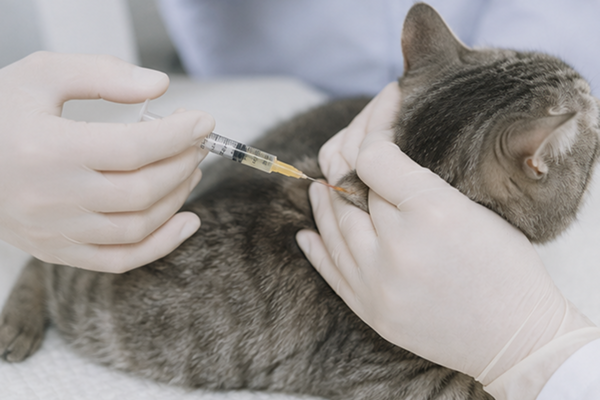
Most pets can return to their normal routine without any significant problems following treatment. Some may experience temporary discomfort at the injection site or a mild fever, but these effects usually resolve naturally within a few days.

At 24H UN Animal Medical Center, we carefully determine whether treatment is appropriate through thorough examinations and consultations. We also use only stem cells that have undergone strict quality control in our in-house Cell Culture Lab to further support treatment safety.
Can stem cell (MSC) therapy replace surgery?
No. Stem cell therapy cannot replace every surgical procedure.

When there is a structural problem, such as a complete cruciate ligament tear, severe fracture, spinal cord compression caused by a disc disorder, or a tumor requiring removal, surgery may be the most effective treatment.

Stem cell therapy may instead help support damaged tissue, regulate inflammation, promote postoperative recovery, or slow the progression of a chronic condition.

At 24H UN Animal Medical Center, our Surgery Center and Stem Cell Therapy Center work closely together to objectively determine whether surgery, stem cell therapy, or a combination of both would provide the most appropriate treatment plan for each patient.
How Stem Cells Help

The Key Roles of Stem Cell Therapy

Stem cells can develop into different cell types and are used to support the recovery of damaged tissues.

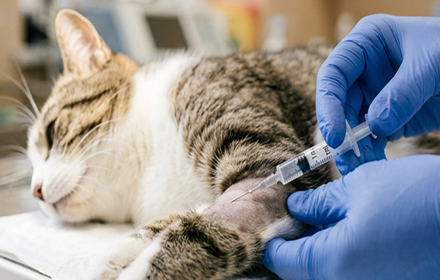
  • 01 Tissue Regeneration

    Helps repair damaged tissue, reduce inflammation, and support faster recovery.

    #Arthritis #Patellar Luxation #Cruciate Injury #Hip Disease
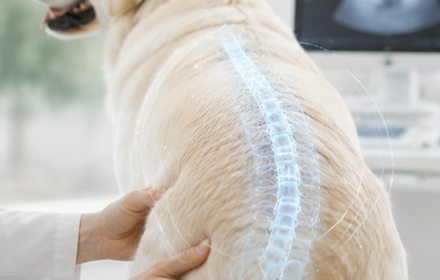
  • 02 Cellular Regulation

    Helps regulate cellular activity, reduce inflammation, and restore balance in damaged tissues.

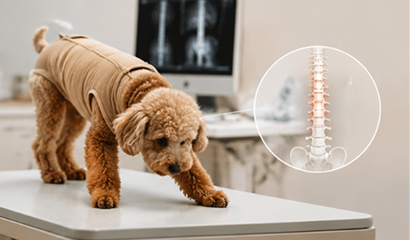
    #Spinal Injury #Walking Difficulty #Nerve Disease #Nerve Injury #Disc Disease
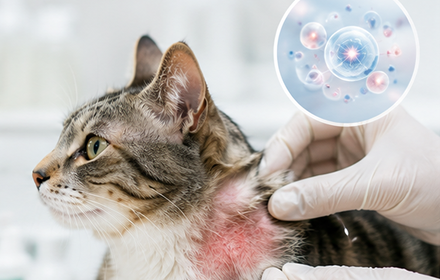
  • 03 Immune Regulation

    Helps regulate immune responses, reduce inflammation, and support the recovery of damaged tissues.

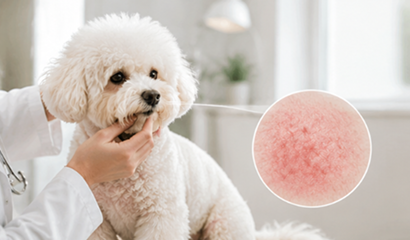
    #IBD #Chronic Dermatitis #Immune Disorders #Atopy
Major Diseases

Conditions We Treat

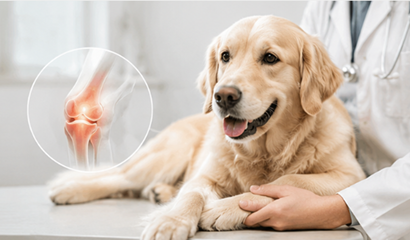
Joint Disorders

  • Osteoarthritis
  • Chronic Joint Pain
  • Post-Patellar Luxation Care
  • Hip Disorders
  • Cruciate Ligament Injury
  • Cartilage Damage

Spinal & Nerve Disorders

  • Disc Disease
  • Walking Difficulty
  • Spinal Cord Injury
  • Neurological Deficits
  • Nerve Paralysis
  • Nerve Recovery

Skin & Inflammatory Disorders

  • Chronic Dermatitis
  • Inflammatory Bowel Disease
  • Atopic Dermatitis
  • Skin Tissue Damage
  • Chronic Wounds
  • Chronic Inflammation

Chronic & Complex Conditions

  • Immune-Mediated Diseases
  • Senior Pet Care
  • Chronic Inflammation
  • Supportive Treatment Option
  • Poor Response to Treatment

Types of Stem Cells

Autologous Stem Cells

Stem cells collected from your pet
  • Collected, cultured, and used from the patient's own tissue
  • Approximately one month is required for cell culture
  • Cell quality may vary depending on the patient's condition
  • No risk of immune rejection

Allogeneic Stem Cells

Stem cells from a compatible donor
  • Collected from a healthy donor and prepared for treatment
  • Available within about one week or immediately if already cultured
  • Clinically validated for therapeutic use
  • Minimal risk of immune rejection
Stem Cell Lab

Busan's Only
In-House Stem Cell
Culture System

The success of stem cell therapy begins with the quality of living cells.
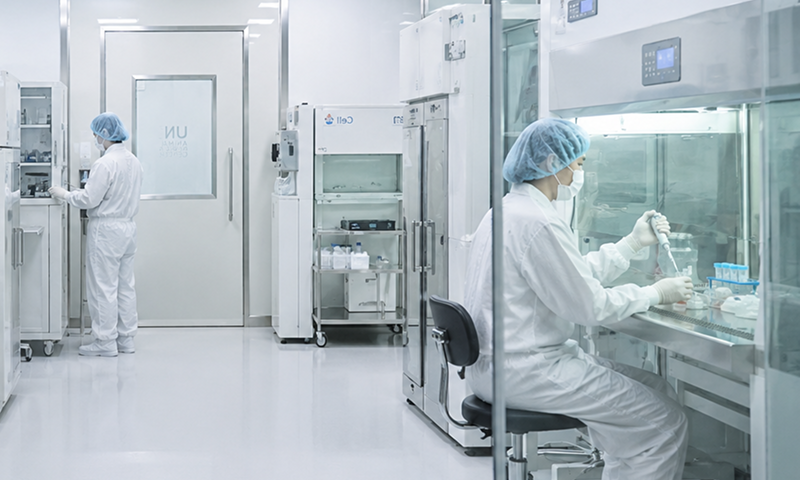
24H UN Animal Medical Center operates Busan's only in-house stem cell laboratory, where every step—from cell collection and culture to quality control and treatment—is managed on-site.
By using stem cells cultured within our own facility, we provide regenerative therapy with greater consistency and reliability.

Busan's Only In-House Stem Cell Culture System

From cell culture and quality control to treatment,
every step is managed within our medical center.
Process

5-Step Stem Cell Therapy Process

A carefully managed
5-step treatment process
supported by our in-house stem cell culture system.
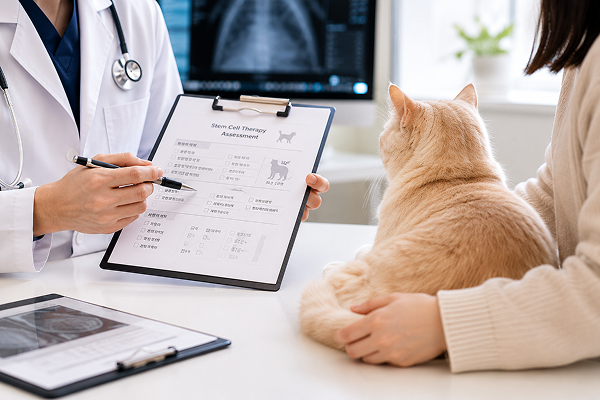
Diagnosis System

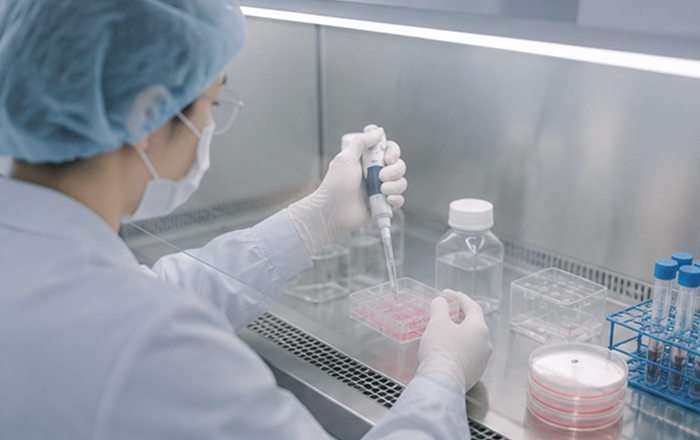
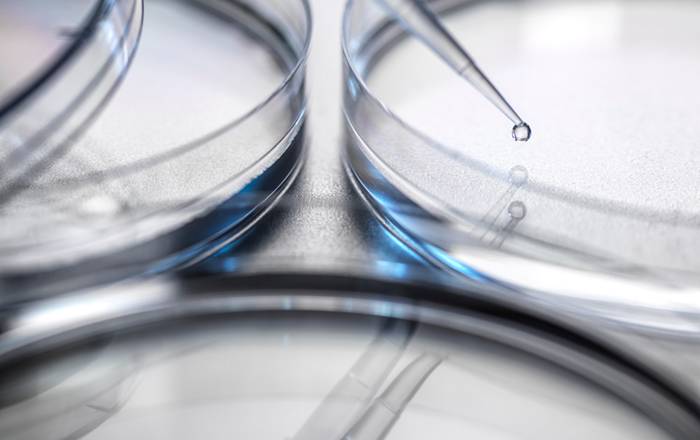
Cell Culture, Quality Control & Treatment System

Reliable stem cell therapy supported by standardized protocols and a sterile laboratory environment.
Care Goals

Treatment Goals

Treatment outcomes vary by patient, and stem cell therapy is provided as a supportive treatment option.

01

Pain Relief

Helps reduce pain caused by joint and chronic inflammatory conditions.

02

Functional Support

Supports recovery by helping regulate the body's immune response.

03

Better Quality of Life

Supports comfort, mobility, appetite, and overall well-being.

04

Personalized Care

Individual treatment and follow-up plans tailored to each patient.

Contact Us

Find Out if Stem Cell Therapy
Is Right for Your Pet.

We'll guide you through treatment eligibility
and scheduling during your consultation.

051-624-2475