
24H EMERGENCY CENTER

24H Emergency Center

Emergency care that never stops, even through the night.
Our 24-hour emergency response system is always ready when every second matters.

  • Emergency Surgery
  • Collaborative Care
  • Intensive Care Unit
  • 24/7 Emergency
About Center

Because Every Life Matters, Day or Night.
The Lights Never Go Out at UN's 24H Emergency Center.

At UN Animal Medical Center, our emergency team is available 24 hours a day, providing prompt emergency care whenever your pet needs us.
Day or night, we are always prepared to respond quickly and protect every precious life.

Guardian FAQ

Questions Over Worries
What Pet Owners Want to Know

What symptoms require emergency veterinary care?
Seek emergency care immediately if your pet is having difficulty breathing, has a reduced level of consciousness, experiences repeated seizures or severe bleeding, has been involved in a traffic accident or fall, or has ingested a toxic substance.

Repeated vomiting or diarrhea accompanied by weakness, sudden severe abdominal swelling, inability to urinate, sudden inability to walk, or signs of extreme pain may also indicate a medical emergency.

Pets often instinctively hide pain and illness, so a condition may already be advanced by the time visible symptoms appear. If your pet is behaving differently from usual, it is important to seek emergency care as soon as possible rather than waiting.
What should I do if my pet has a medical emergency?
The most important thing is to remain calm and transport your pet safely to the hospital.
If your pet is having difficulty breathing or is losing consciousness, do not force food, water, or medication into their mouth. Keep your pet in a position that allows them to breathe comfortably and travel to the hospital immediately.

During a seizure, do not restrain your pet or put your hand inside their mouth. Move nearby objects out of the way to prevent additional injury.

If your pet has ingested a toxic substance or medication, bring the product name or packaging and provide the approximate time and amount ingested. This information can greatly assist with diagnosis and treatment.
Should I call the hospital before coming in for emergency care?
Whenever possible, we recommend calling the hospital before your arrival.
Sharing information such as your pet’s symptoms, when they began, breathing status, and level of consciousness allows our medical team to prepare the necessary equipment and emergency treatment area in advance.

However, if your pet is unconscious, experiencing severe breathing difficulty, having continuous seizures, or bleeding heavily, do not delay your departure to make a phone call. Transporting your pet to the hospital immediately should be the priority.
Can my pet receive emergency care without an appointment?
Yes. Emergency patients can receive care 24 hours a day without an appointment.
At the Emergency Center, patients are treated according to triage—the medical assessment of how urgent and severe each patient’s condition is—rather than appointment or arrival order.
Patients with life-threatening conditions may therefore be treated first, while those with less urgent conditions may experience a longer wait.

This is a fundamental principle of emergency medicine designed to protect the patients in greatest danger first.
What makes the 24H Emergency Center at UN Animal Medical Center different?
True 24-hour emergency care is not simply about remaining open at night. It requires a complete system capable of diagnosing and treating emergency patients at any time.

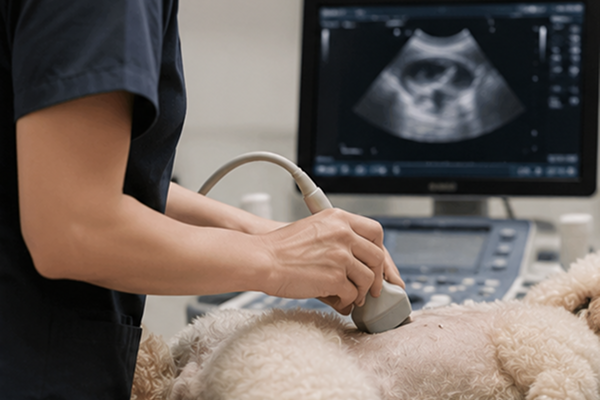
When an emergency patient arrives at UN Animal Medical Center, necessary examinations such as blood tests, X-rays, ultrasound, and CT scans can be performed promptly. Based on the results, emergency surgery and intensive care can be provided continuously within the same hospital through our one-stop emergency care system.

Our emergency medicine, internal medicine, surgery, diagnostic imaging, and anesthesia teams work closely together to provide coordinated care—from diagnosis and emergency surgery to hospitalization and critical care.

In an emergency, every second matters.
UN Animal Medical Center maintains a fully prepared emergency care system to respond immediately and do everything possible to protect every precious life.
How is emergency care different from a regular veterinary consultation?
The first priority of emergency care is to preserve life and stabilize the patient.
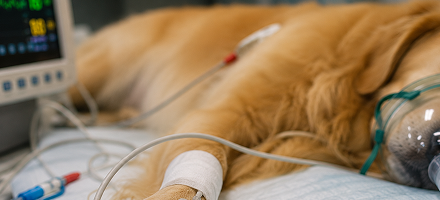
Immediately upon arrival, the medical team assesses vital functions such as breathing, circulation, and level of consciousness. When necessary, oxygen therapy, intravenous fluids, emergency medications, or cardiopulmonary resuscitation may be provided without delay.

Blood tests and diagnostic imaging are then performed to identify the cause as quickly as possible. Depending on the findings, the patient may require emergency surgery or intensive care.

The main difference from routine care is that emergency patients are treated according to the severity and urgency of their condition rather than their order of arrival.
Are diagnostic tests and emergency surgery available at night or early in the morning?
Yes, they are.
Depending on the patient’s condition, necessary tests such as blood tests, X-rays, ultrasound, and CT scans can be performed promptly at any hour. The treatment plan is then determined based on the examination results.

Emergency surgery may be performed for conditions requiring immediate intervention, including gastric dilatation-volvulus (GDV), intestinal obstruction, pyometra, bladder or urethral obstruction, internal abdominal bleeding, and chest trauma.

After surgery, patients continue to receive intensive monitoring and inpatient care.
Can my pet go home immediately after receiving emergency care?
Whether your pet can return home after emergency care depends on their condition and response to treatment.
If your pet becomes stable after emergency treatment and does not require additional care, they may be discharged. However, hospitalization may be recommended if oxygen therapy, intravenous fluids, or continuous monitoring is needed.

Patients who have undergone emergency surgery or have conditions that may change rapidly require a period of close observation. During hospitalization, our medical team continuously monitors vital signs and test results and adjusts the treatment plan as needed.
Why is delaying treatment dangerous in an emergency?
In many emergencies, a delay of even a few minutes or hours can determine the outcome.
Conditions such as gastric dilatation-volvulus (GDV), internal abdominal bleeding, intestinal obstruction, bladder or urethral obstruction, severe breathing difficulty, sepsis, and major trauma can cause progressive organ damage and shock, making treatment increasingly difficult over time.

Because pets cannot clearly communicate their pain or symptoms, treatment may sometimes be delayed while owners wait to see whether the condition improves.

If your pet shows unusual symptoms or behaves differently from normal, choosing to seek veterinary care promptly rather than waiting a little longer may be the best way to protect the critical treatment window.
Scope Of Care

Scope of Care at Our Emergency Center

We respond quickly and calmly to life-threatening emergencies.

  • 01 Emergency & Critical Care

    Prompt and calm response to life-threatening emergencies

  • 02 Trauma & Bleeding

    Intensive monitoring for shock, multiple organ failure, sepsis, and other critical conditions

  • 03 Poisoning Treatment

    Gastric lavage, detoxification, and treatment for food, medication, and plant poisoning

  • 04 Cardiac Emergencies

    Oxygen therapy and medication for acute heart failure, pulmonary edema, and arrhythmias

  • 05 Kidney Failure & Urethral Obstruction

    Catheterization and fluid therapy for acute kidney injury or risk of bladder rupture

  • 06 Respiratory Emergencies

    Oxygen support and thoracic treatment for airway obstruction, pneumonia, pleural effusion, and related conditions

ICU & Night Care

24-Hour Emergency System

Our emergency team is always ready to respond—day or night.

  1. 01 ICU & Oxygen Therapy
  2. 02 Real-time Vital Monitoring
  3. 03 Dedicated Overnight Team
  4. 04 Immediate Access to Emergency Surgery
Process

Emergency Response Process

Our 5-step emergency response process
ensures prompt and organized care,
even in the most critical situations.
Call or Visit Emergency Assessment & Immediate Care Rapid Diagnostic Tests Treatment Planning Monitoring & Owner Updates
Critical & Overnight Care

Critical & Overnight Care System

Dedicated professionals and advanced facilities work together to ensure even the smallest changes never go unnoticed.

When to Visit

Signs of an Emergency

If your pet shows any of the following signs, please contact us or visit the hospital immediately.

  1. Check 01 Difficulty Breathing Labored breathing, blue gums or tongue, or open-mouth breathing
  2. Check 02 Seizures Trembling, collapse, loss of consciousness, or repeated seizure episodes
  3. Check 03 Trauma or Injury Limping, bleeding, or suspected fractures after an accident, fall, or animal bite
  4. Check 04 Reduced Consciousness Unresponsive behavior, weakness, or inability to stand normally
  5. Check 05 Acute Vomiting & Diarrhea Repeated vomiting or diarrhea, bloody stool, or signs of dehydration
  6. Check 06 Urethral Obstruction Repeated attempts to urinate with little or no urine output, or signs of pain
  7. Check 07 Suspected Poisoning Ingestion of chocolate, grapes, onions, medications, toxic plants, or other harmful substances
  8. Check 08 Cardiac Emergency Sudden collapse, rapid breathing, or pale gums
Contact Us

If you think your pet may be experiencing
an emergency, don't wait—contact us immediately.

24-hour telephone assistance
Dedicated overnight veterinary team

051-624-2475