


Dental Center
Advanced diagnosis with Dental CT and tooth-preserving treatment.
We preserve every tooth possible and extract only when absolutely necessary.
- Oral Pain Diagnosis
- Veterinary Dental Care & Surgery
- Anesthesia Safety
- Tooth Preservation
Beyond Treating Teeth,
We Help Pets Get Back to Living Comfortably.
Oral disease can affect far more than the mouth, causing pain, reduced appetite, and a decline in overall health.
At UN Animal Medical Center, we provide personalized dental care—from accurate diagnosis and safe anesthesia to treatment and recovery—so every pet can return to a healthier, more comfortable daily life.
Questions Over Worries
What Pet Owners Want to Know
- Should my pet have a dental check-up even without symptoms?
- Can dogs and cats develop gum disease?
- What happens if dental treatment is delayed?
- Why is Dental CT important?
- When is tooth extraction necessary?
- Can senior pets safely receive dental treatment?
- Why is general anesthesia required for dental scaling?
- What makes the Dental Center at UN Animal Medical Center different?
- How should I care for my pet after dental treatment?
Major Dental Services
From routine scaling to advanced oral surgery, we provide comprehensive dental care to relieve pain and preserve healthy teeth.
-
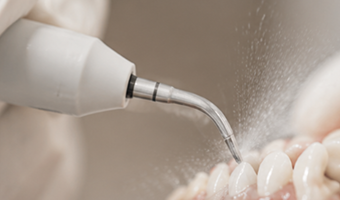
- 01 Dental Scaling
-
Removes plaque and tartar with ultrasonic scaling, followed by polishing for a smooth tooth surface.
-
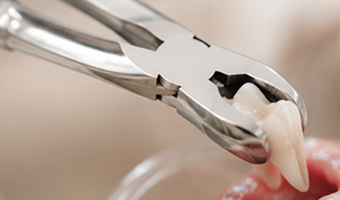
- 02 Tooth Extraction
-
Teeth that cannot be preserved are carefully evaluated, safely extracted, and properly sutured.
-
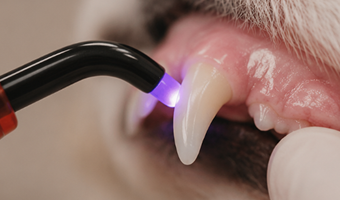
- 03 Composite Restoration
-
Restores fractured or damaged teeth with durable composite resin.
-
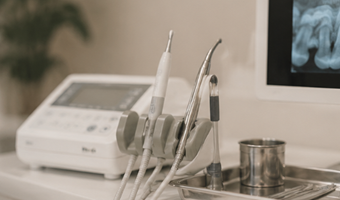
- 04 Root Canal Therapy
-
Preserves teeth affected by pulp exposure or infection whenever possible.
-
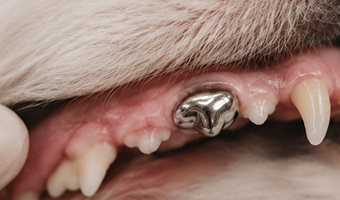
- 05 Dental Crowns
-
Protects structurally weakened teeth with custom restorative crowns.
-
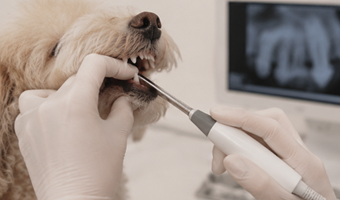
- 06 Oral Surgery
-
Treats oral tumors, traumatic injuries, oronasal fistulas, and other surgical conditions.
-
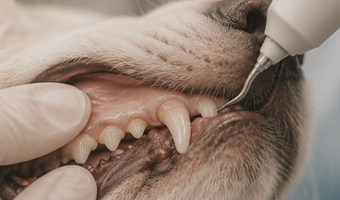
- 07 Periodontal Therapy
-
Treats deep gum inflammation and restores the tissues supporting the teeth.
-
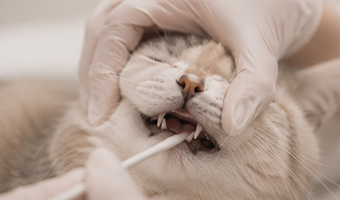
- 08 Feline Stomatitis & FORL
-
Specialized care for chronic stomatitis, feline tooth resorption (FORL), and other feline dental conditions.
A Dedicated Dental System
Designed to Detect Problems
Beyond What the Eye Can See
We provide a specialized dental environment, advanced equipment, and a treatment process tailored to each pet’s condition.
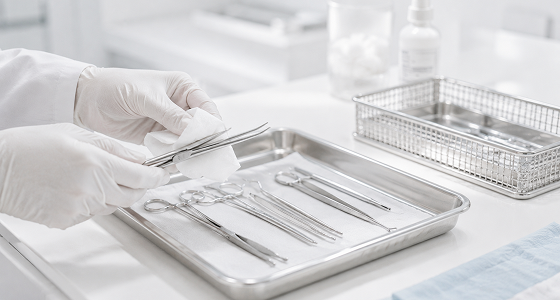
Standardized instrument sterilization and room disinfection protocols help maintain a clean surgical environment and minimize the risk of infection.
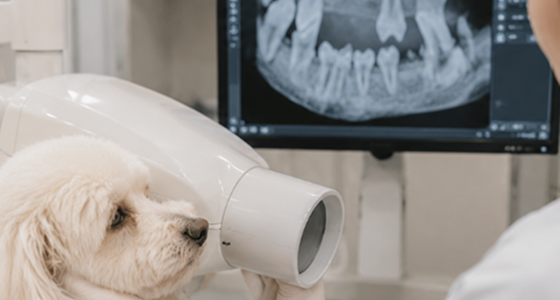
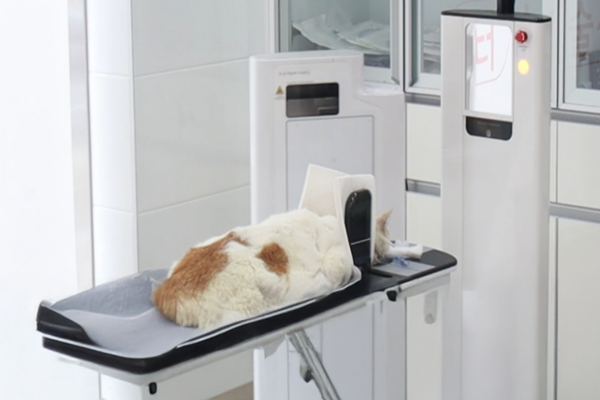
Dental X-rays allow us to closely examine root disease and retained tooth fragments that may not be visible during a routine oral examination.
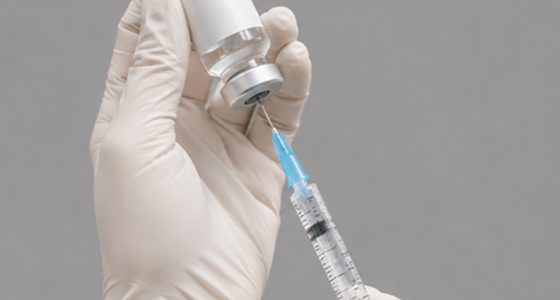
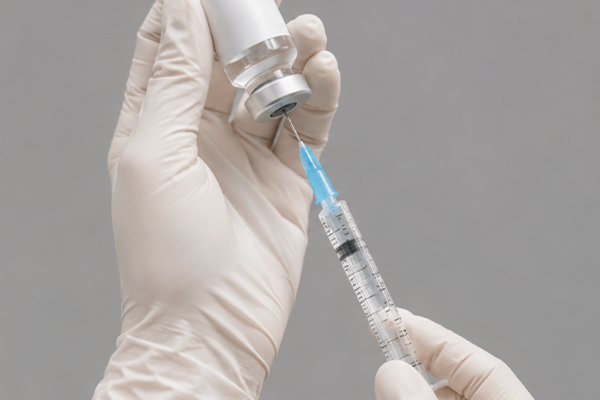
After blood tests and a thorough health assessment, we apply an anesthesia protocol tailored to your pet’s age, medical history, and overall condition.
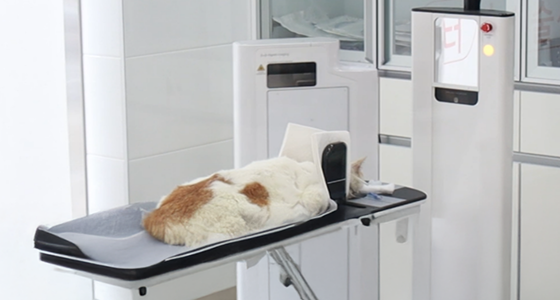
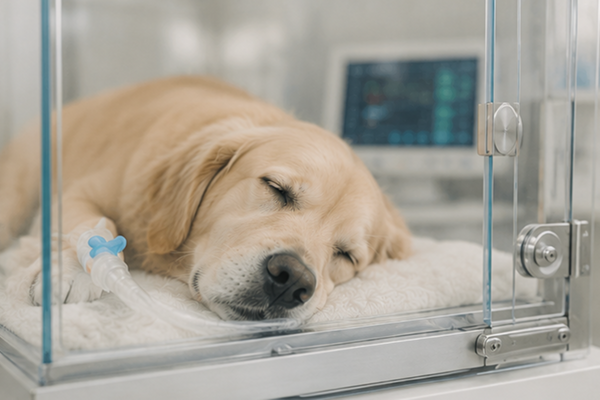
We continuously monitor ECG, oxygen saturation, carbon dioxide levels, and blood pressure so that we can respond immediately to any changes during anesthesia.
Dental Treatment Process
From the initial oral examination
to follow-up care,
our 5-step treatment process
keeps your pet's dental care organized and seamless.
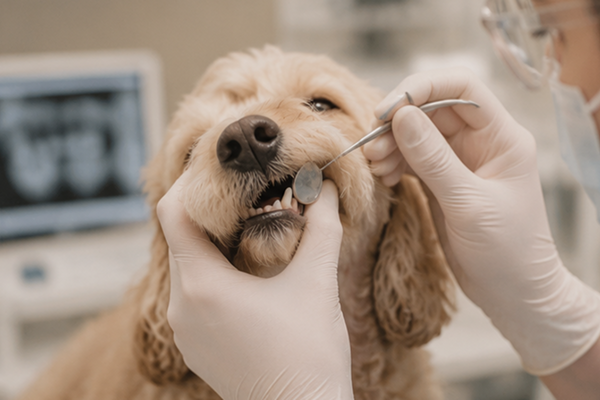
A Dental Care System
Designed to Support Every Step of Treatment
From diagnosis to recovery, every stage of dental care is planned to reduce pain, minimize stress, and support your pet's comfort.
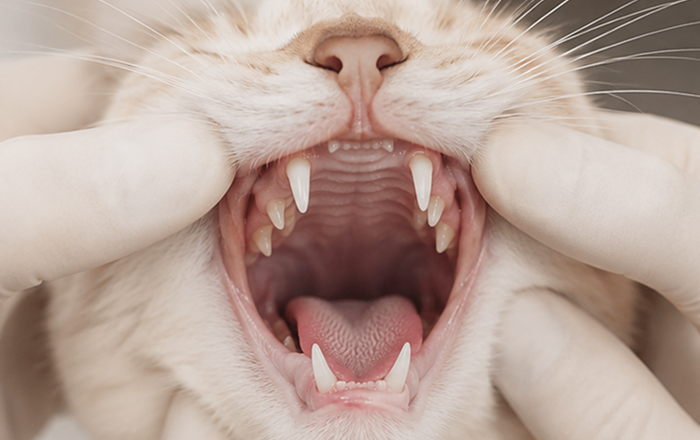
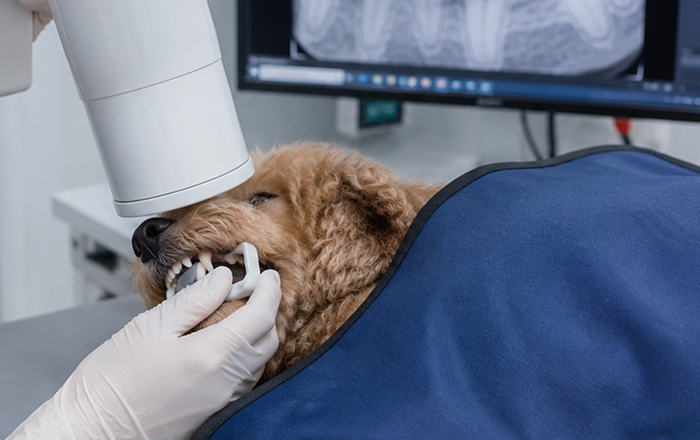
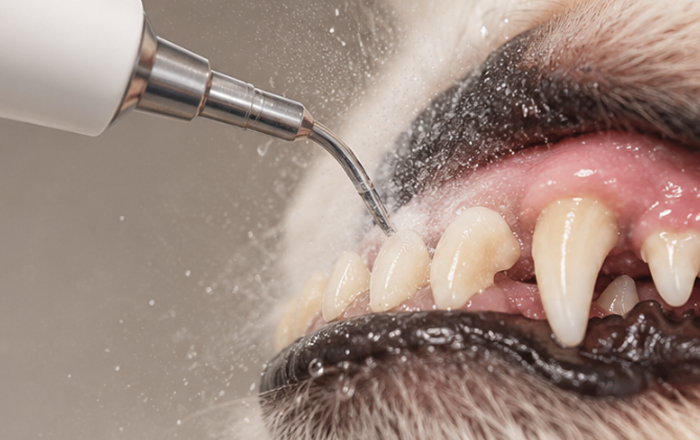
See Real Treatment Cases That Reflect Our Clinical Experience.
※ All images shown are actual treatment cases from UN Animal Medical Center. Unauthorized use or reproduction is prohibited.
※ Every treatment carries potential risks. Treatment decisions are made after a thorough consultation with your veterinarian.

Canine Dental Scaling Case
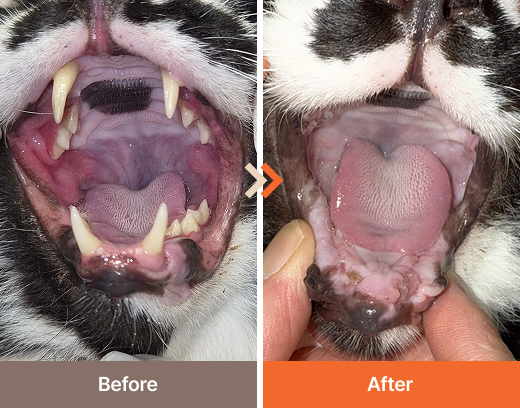
Feline Stomatitis Case

Canine Dental Scaling Case
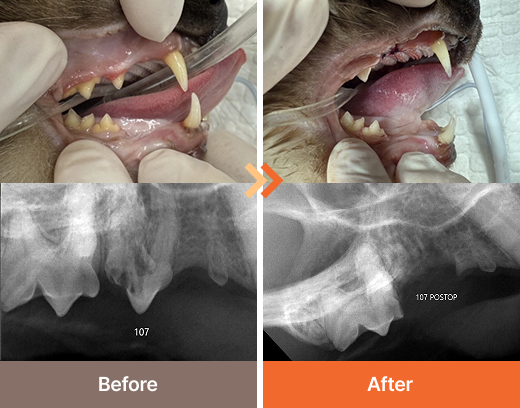
Feline Tooth Resorption (FORL) Case
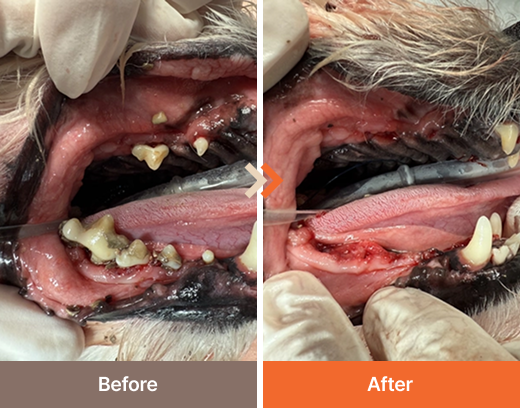
Periodontal Disease Case
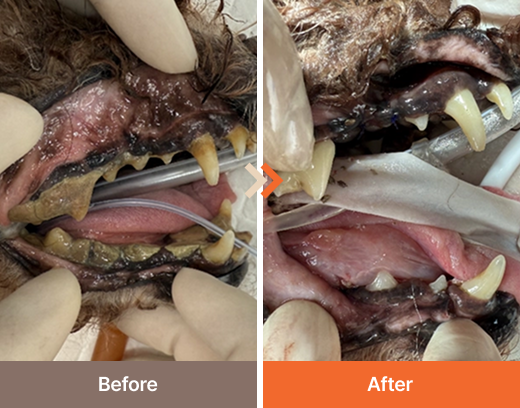
Periodontal Disease Case
When You Notice These Signs
These changes may be early signs of dental or gum disease. If you notice any of them, we recommend scheduling a dental consultation.
- Check 01 Bad Breath Persistent bad breath that is stronger than usual
- Check 02 Bleeding Gums Bleeding during brushing or while chewing toys
- Check 03 Tartar or Tooth Discoloration Yellow or brown buildup, or changes in tooth color
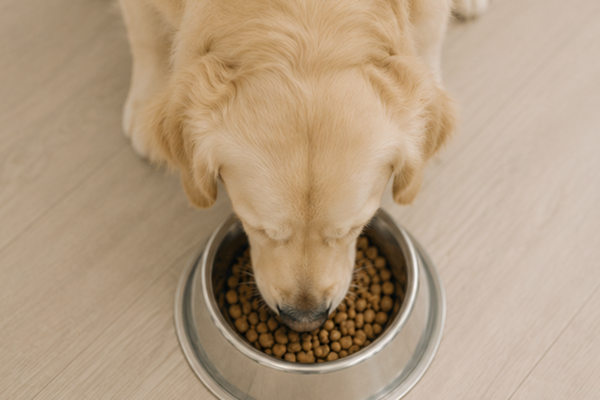
- Check 04 Trouble Chewing Dropping food or chewing on only one side
- Check 05 Excessive Drooling More drooling than usual or a constantly wet chin
- Check 06 Facial Swelling Sudden swelling around the cheek or jaw, or signs of pain when touched
- Check 07 Mouth Discomfort Frequently opening the mouth, sticking out the tongue, pawing at the face, or rubbing the face against the floor
- Check 08 Loose Teeth Teeth that feel loose or appear ready to fall out
For pets over 7 years of age, we recommend a dental check-up once or twice a year.
Let's Take Care of
Your Pet's Oral Health Together.
If you'd like a dental consultation,
we're here to help.
 Fee Information