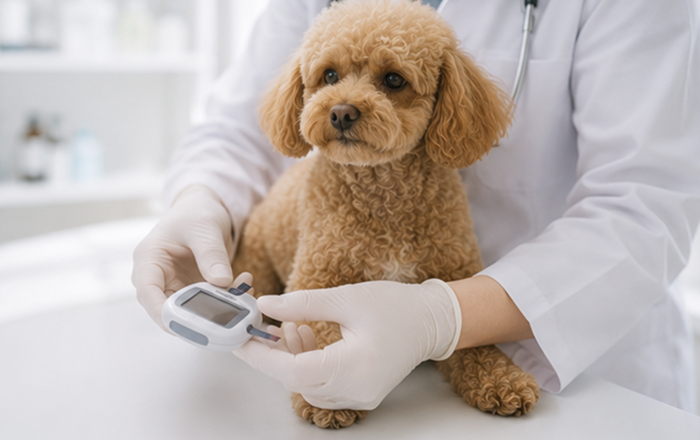

CARDIOLOGY · NEPHROLOGY

Cardiology · Nephrology Center

For conditions that require lifelong management and close monitoring,
we provide comprehensive diagnosis and continuous care in one integrated center.

  • Cardiac, Kidney & Hormonal Disorders
  • Advanced Diagnostics
  • Long-term Care
  • Collaborative Care
About the Center

Precise Diagnosis,
Lifelong Care

Cardiac, renal, and endocrine conditions require more than one-time treatment. Consistent monitoring and stage-specific care are essential.
Supported by advanced diagnostic equipment and a collaborative medical system, UN Animal Medical Center provides attentive, long-term care tailored to your pet’s changing condition.

Guardian FAQ

Questions Over Worries
What Pet Owners Want to Know

What are the common signs of heart disease?
Heart disease often develops silently, making it difficult for pet owners to notice in its early stages.
By the time visible signs appear, the heart may already be under significant strain.
One of the most common signs is coughing. A recurring dry cough, especially at night, early in the morning, or during excitement, may indicate that a cardiac evaluation is needed.
Other warning signs include rapid or labored breathing while resting or sleeping, noticeable movement of the abdomen or sides while breathing, reduced exercise tolerance, and tiring or sitting down more quickly during walks. More serious signs include bluish discoloration of the tongue or gums, known as cyanosis, sudden collapse or fainting, known as syncope, and swelling of the abdomen due to fluid accumulation. These may indicate that the heart is under severe strain and require prompt veterinary attention.

Cats are particularly good at hiding signs of illness. Some may appear completely normal until they suddenly develop severe breathing difficulty or hind-limb paralysis and require emergency treatment. Because pets cannot tell us when something feels wrong, visible symptoms may mean that the condition has already progressed significantly.

One of the easiest ways to monitor your pet at home is to count the number of breaths taken over one minute while your pet is resting comfortably or asleep. A normal resting respiratory rate is generally fewer than 30 breaths per minute. If the rate remains consistently higher, we recommend a cardiac examination.
Can heart disease be cured?
In most cases, heart disease is a condition that must be managed rather than completely cured.

Common conditions such as myxomatous mitral valve disease (MMVD) in dogs and hypertrophic cardiomyopathy (HCM) in cats gradually change the structure and function of the heart over time. Although an already altered heart cannot usually be fully restored to its original condition, consistent medication and regular monitoring can help pets maintain a comfortable quality of life for many years.

The timing of treatment is especially important. Beginning treatment at an early stage, before clinical signs appear, can significantly slow the progression of heart disease. Even with the same diagnosis, the amount of time a pet remains healthy can vary greatly depending on when the disease is detected and when management begins.

After accurately identifying the type and stage of heart disease, we provide clear guidance on whether treatment should begin immediately or whether careful monitoring is appropriate. Even when a condition cannot be cured, we will continue to manage it closely so your pet can remain healthy and comfortable for as long as possible.
When should my pet have an echocardiogram?
An echocardiogram is most commonly recommended when a heart murmur is detected during auscultation.
A murmur may be an early signal of heart disease, so it is important to use an echocardiogram to identify the underlying cause accurately.
Screening may also be recommended for breeds predisposed to heart disease, including Maltese, Pomeranians, Shih Tzus, and Cavalier King Charles Spaniels in dogs, and Maine Coons, Ragdolls, and Persians in cats. Senior pets, generally those seven years of age or older, may also benefit from a cardiac evaluation even when no obvious symptoms are present.

If your pet is already showing signs of heart disease, such as coughing, rapid breathing, tiring easily, or fainting, an examination should be performed as soon as possible.

Once heart disease has been diagnosed, regular follow-up examinations become essential. Because heart disease is progressive and continues to change over time, periodic echocardiograms are recommended to confirm whether the current medications and dosages remain appropriate.
Will my pet need heart or kidney medication for life?
Pets with gradually progressive conditions such as heart disease or chronic kidney disease often require long-term medication.
This is not because your pet becomes dependent on the medication. These medications help reduce the workload on the heart and kidneys and slow the progression of the disease. It is similar to how people take medication consistently to manage chronic conditions such as high blood pressure or diabetes. Stopping medication without veterinary guidance may cause the controlled disease to worsen rapidly and could place your pet at serious risk.

However, not every medication must be continued for life.
Some medications are used temporarily to manage an acute decline, while others may be reduced or discontinued once the condition has stabilized. In cases of kidney disease, abnormal values caused by temporary conditions such as dehydration or infection may improve after the underlying cause is treated, allowing medications to be reduced.
Whether medication is required for life therefore depends on the specific condition and its stage of progression.

Most importantly, medication type and dosage should not remain unchanged indefinitely.
Because the disease continues to evolve, regular examinations are necessary to confirm that the current treatment remains appropriate and to make adjustments as your pet's condition changes.
Why do pets with kidney disease drink so much water?
One of the kidneys' most important functions is to concentrate urine.
Healthy kidneys reabsorb the water the body needs and remove waste products through concentrated urine. This allows the body to maintain an appropriate fluid balance with a relatively small amount of water.

When the kidneys become damaged, their ability to concentrate urine decreases. They produce larger amounts of dilute urine, causing the body to lose water more rapidly. The body then responds to this water loss by increasing thirst, which causes your pet to drink more. In other words, increased urination is not caused by drinking too much water. Your pet drinks more because excessive water is being lost through the urine.

A noticeable increase in both water intake and urination may therefore be an important sign of kidney disease. However, similar symptoms can also occur with diabetes and endocrine disorders, so diagnostic testing is necessary to determine the exact cause.

A useful way to monitor your pet at home is to measure approximately how much water is consumed each day. As a general guideline, if your pet consistently drinks more than 100 mL per kilogram of body weight per day, we recommend a veterinary examination.
Why is dietary management important for chronic kidney disease?
In chronic kidney disease, dietary management is not simply supportive care. It is a core part of treatment and is just as important as medication.

First, a renal diet carefully controls the amount and quality of protein. When protein is broken down, it produces waste substances that must be filtered by the kidneys. When kidney function is reduced, processing these waste products places additional strain on the kidneys. Renal diets are therefore carefully formulated to moderately reduce protein while maintaining the high-quality protein your pet needs.

Second, renal prescription diets contain reduced levels of phosphorus. When kidney function declines, phosphorus cannot be eliminated efficiently and begins to accumulate in the body. Elevated phosphorus can contribute to further kidney damage. Reducing dietary phosphorus can therefore help slow the progression of the disease.

Third, renal diets may include omega-3 fatty acids and antioxidants to help reduce inflammation and damage within the kidneys. They also contain controlled sodium levels to support blood pressure management and reduce strain on the heart.

However, it is important to remember that eating enough is essential for pets with kidney disease.
Even the best prescription diet cannot help if your pet refuses to eat and experiences prolonged fasting, which may cause the condition to worsen. A renal diet should therefore be introduced gradually according to your pet's preferences and stage of disease. If your pet does not eat the prescribed food, avoid forcing it and consult your veterinarian to find a suitable alternative.
How are heart disease and kidney disease related?
Although the heart and kidneys may appear to be completely different organs, they are closely connected and work together as a team.
As a result, a problem affecting one organ can often influence the other.

The heart acts as a pump that circulates blood throughout the body, while the kidneys receive that blood and function as filters that remove waste products. When the heart becomes weak and cannot pump blood efficiently, blood flow to the kidneys decreases, making it difficult for the kidneys to function properly. Conversely, when kidney function declines, fluid, waste products, and substances that raise blood pressure may accumulate in the body, placing additional strain on the heart.

This can create a cycle in which dysfunction of one organ contributes to deterioration of the other. In veterinary medicine, this interaction between the heart and kidneys is known as cardiorenal syndrome.
3 Core Areas

Integrated Care Across Three Core Areas

Reduced cardiac function can affect renal blood flow, while endocrine disorders may lead to changes in blood pressure and metabolism.
This is why integrated care that evaluates all three areas together is essential.

  • 01 Cardiology

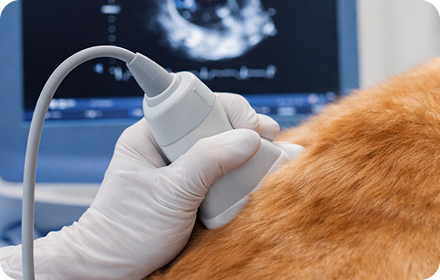
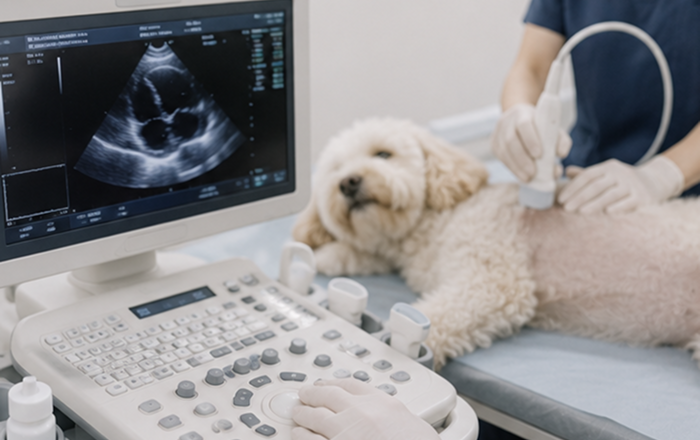
    We provide comprehensive cardiac evaluations, including echocardiography,
    blood pressure measurement, and electrocardiography, along with individualized medical management.

    #MMVD #Ascites & Hypertension #Pericardial Effusion #Arrhythmia
  • 02 Nephrology & Urology

    From the early detection of declining kidney function to stage-specific management of chronic kidney disease,
    we provide comprehensive care for urinary stones, cystitis, and other urinary conditions.

    #Acute & Chronic Kidney Disease #Cystitis #Urolithiasis #Proteinuria #Renal Dialysis
  • 03 Endocrinology

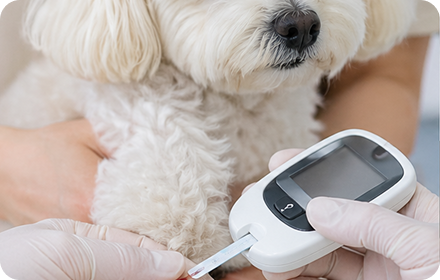
    Through comprehensive hormonal testing, we accurately diagnose diabetes and adrenal and thyroid disorders
    while developing treatment plans suited to each pet’s daily routine and lifestyle.

    #Thyroid Disorders #Cushing’s Syndrome #Diabetes Mellitus #Addison’s Disease
Major Diseases

Conditions We Treat

  • Echocardiography
  • ECG & Holter Monitoring
  • Long-term Monitoring

Cardiac Diseases

  • Myxomatous Mitral Valve Disease (MMVD)
  • Heartworm Disease & Thromboembolism
  • Pulmonary Hypertension
  • Cardiac Arrhythmias
  • Dilated Cardiomyopathy (DCM) & Hypertrophic Cardiomyopathy (HCM)
  • Congenital Heart Diseases (PDA, VSD, PS, AS)

Comprehensive Cardiovascular Care

Heart disease affects not only the heart but also respiration, blood pressure, kidney function, and overall health.
Using echocardiography, blood pressure measurement, and electrocardiography, we provide accurate diagnosis, personalized treatment, and long-term monitoring tailored to your pet's condition.

  • Kidney Function Testing
  • Renal Dialysis
  • Long-term Management

Kidney & Urinary Diseases

  • Chronic Kidney Disease (CKD)
  • Bacterial Cystitis
  • Acute Kidney Injury (AKI)
  • Urolithiasis & Urethral Obstruction
  • Proteinuria & Glomerular Disease
  • Bladder Tumors

Renal Dialysis

For pets with reduced kidney function, we provide stage-specific treatment that may include renal dialysis when appropriate.
With experienced clinicians and advanced equipment, we strive to preserve your pet's quality of life through safe and effective care.
  • Advanced Hormonal Testing
  • Metabolic & Systemic Evaluation
  • Integrated Care

Endocrine Diseases

  • Hyperadrenocorticism (Cushing's Syndrome)
  • Hypothyroidism & Hyperthyroidism
  • Hypoadrenocorticism (Addison's Disease)
  • Pheochromocytoma
  • Diabetes Mellitus & Diabetic Ketoacidosis (DKA)
  • Insulinoma

Integrated Hormonal & Metabolic Care

Endocrine disorders affect far more than hormone levels alone—they are closely linked with cardiac and renal health.
Based on comprehensive hormonal testing and systemic evaluation, we provide integrated care that considers the complex relationship between the heart, kidneys, and endocrine system.

Diagnosis System

Accurate Diagnosis,the First Step to Better Care

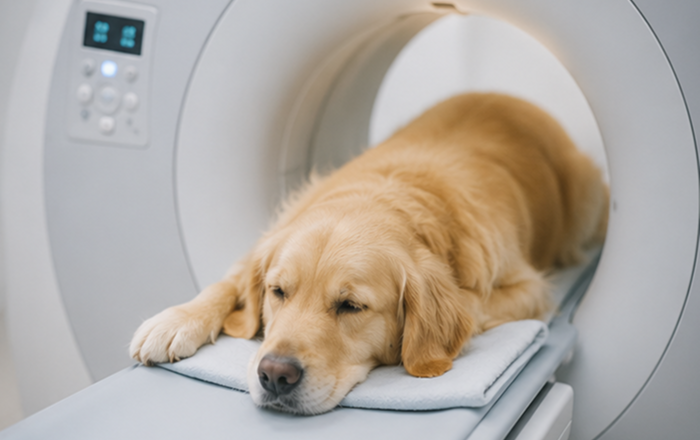
Using a comprehensive diagnostic approach, we identify the underlying cause and develop a stage-specific treatment plan tailored to your pet.
We consider clinical signs, diagnostic findings, and lifestyle together to provide personalized medical care.

Collaboration & Long-term Care

Collaborative Care & Long-term Management

Our integrated care system seamlessly connects Internal Medicine, Emergency & Critical Care, and Surgery to provide comprehensive treatment.

  1. 01 Integrated Multidisciplinary Care
  2. 02 Advanced Diagnostics & Personalized Treatment
  3. 03 Long-term Medication Management
  4. 04 Scheduled Follow-up Care
For Guardians

Signs That Shouldn't Be Ignored

Heart, kidney, and endocrine conditions often develop with only subtle signs in the early stages.

  1. Check 01 Coughing & Breathing Changes Frequent coughing or rapid breathing Cardiac
  2. Check 02 Reduced Activity Easily tired or reluctant to exercise Cardiac
  3. Check 03 Abdominal Swelling A swollen abdomen or signs of discomfort Cardiac
  4. Check 04 Vomiting & Poor Appetite Repeated vomiting or decreased appetite Renal & Urinary
  5. Check 05 Weight Changes Sudden weight loss or gain Endocrine
  6. Check 06 Increased Thirst Drinking more and urinating more Common
  7. Check 07 Gum Color Changes Pale or bluish gums Common
  8. Check 08 Chronic Disease Follow-up Medication or check-up schedule needs adjustment Common

For senior pets aged 7 years and older, regular health screenings once or twice a year are recommended.

Contact Us

If You're Concerned About
Your Pet's Health, We're Here to Help.

With accurate diagnosis and ongoing care,
we'll help your pet enjoy a healthier, happier life.

051-624-2475